|
Amazing Life Cycle of the Monarch ButterflyRaising Monarch Butterflies
The life cycle of the Monarch butterfly is fascinating!! The monarch butterfly is one of those creatures that go through 4 distinctly different stages of life. The name for this unique transformation is called metamorphosis. In Greek, the word metamorphosis means means to transform or change. Butterfly Stages
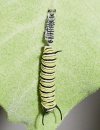
This miracle of nature begins with an egg laid by the female monarch butterfly. The egg hatches into a tiny caterpillar. The caterpillar eats and grows, eventually transforming into a chrysalis. And finally out of the small chrysalis emerges the beautiful butterfly. Truly amazing! Raising MonarchsAre you considering raising butterflies? Since the life cycle of the monarch butterfly is very interesting to observe and monarchs are so easy to raise at home, I highly recommend that you try it!

Here are the reasons I think Monarchs are THE most interesting butterfly.
Monarch MilkweedIt all begins with milkweed .
That's all you really need to raise a monarch butterfly. Depending on where you live, you can raise Monarchs whenever milkweed is growing in your area. I live in the Midwest, so for us this is June through August.
In other words it is the caterpillar food for monarchs. It is also the plant on which the female monarch butterfly lays its egg.
Step by Step InstructionsThis guide for raising monarchs will give information about the butterfly stages and then provide tips on observations and care for each stage in the life cycle of a monarch butterfly. These instructions are divided by butterfly stages - egg, caterpillar, chrysalis, and, of course, butterfly. There will also be many monarch butterfly photos of the different butterfly life cycle stages. Here we go..... Monarch Egg It starts with milkweed. Plant some in your
If you are impatient, you should be able to find some common milkweed along the roadside or in a wild, weedy area. You might see a Monarch butterfly flying near the milkweed and touching down briefly on a leaf. Inspect the underside of the leaf and you should see a tiny Monarch egg. Once you know what the eggs look like, it won’t be long before you become a pro at finding them. Remove the leaf from the plant. You can place the leaf in a plastic sandwich container. Put a wet paper towel inside the container and then put the leaf on top of the paper towel, egg side up.
Snap the cover on the container. Make sure that the paper towel stays wet. I have a high success rate with this method. The humidity produced in the plastic container seems to be beneficial. I have also cut the stem of the milkweed and placed it in a narrow-necked vase of water.

It takes about 3-5 days for the egg to become a caterpillar. The first clue of this change is when the top of the egg turns black (caterpillar head). This picture (Right) shows an egg on left leaf with black head and newly hatched caterpillar on the right leaf. Now, we move on to the second stage of the life cycle of the Monarch butterfly – the caterpillar.
Caterpillar | Chrysalis | Butterfly!
Home | Raise Monarchs | Milkweed | Butterfly Garden | Nectar Plants Monarch Migration | Raise Swallowtails | Kids and Butterflies Butterfly Photos | My Story | Contact Us
Copyright© 2007-2017 Glorious-Butterfly.com ALL RIGHTS RESERVED.
|